
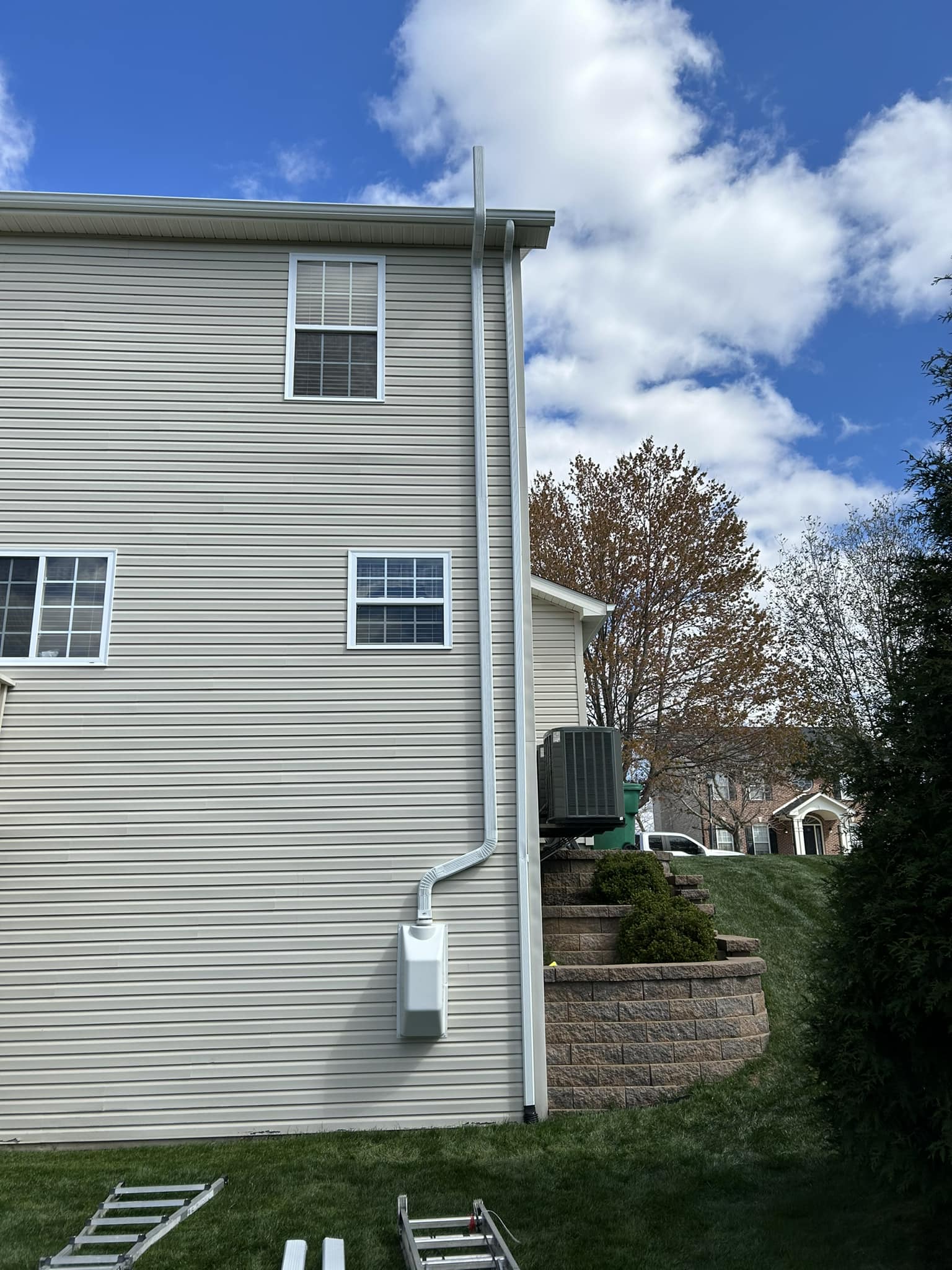
Should you be able to hear a radon fan?
A running radon fan can produce a steady sound, but a new rattle, grinding sound or stronger vibration deserves an assessment. Notice whether you hear it near the fan, along the pipe or inside an adjacent room. Those observations help separate the possible sources.
Record the sound from a safe location and note when it began. A comparison with the system's previous behavior is more useful than expecting every installation to be silent. Do not climb into an unsafe area just to get a closer recording.
- Steady hum near the fan housing.
- Rattle at a bracket or adjacent surface.
- Airflow sound near the discharge.
- Vibration heard inside a nearby room.
Why is my radon fan making noise?
Radon fan noise may reflect mechanical wear, loose or unsuitable support, contact with a building surface or airflow through the installation. The sound alone cannot identify which part needs replacement. RadonAway installation guidance specifically addresses preventing fan contact with building surfaces and isolating vibration.
Describe the location, timing and character of the sound to the technician. Include any recent building work or change in system indication. A fan that remains electrically powered can still need assessment; being able to hear it is not a complete performance check.
- Did the sound start after a repair or renovation?
- Does the pipe appear to touch another surface?
- Has the manometer changed from its usual reading?
- Is a current radon test available?
Does a radon fan noise suppressor work?
A noise suppressor may help with the airflow sound it is designed to address, but it is not a repair for every noisy system. Equipment choice should follow identification of the source and review of how the added component affects the installation.
Ask what the proposed accessory is intended to change. If the main problem is mechanical wear or vibration transmitted through a support, an accessory at the discharge may leave that problem unresolved. The proposed fix should name the diagnosed issue, the component and the way its operation will be checked.
- Identify the source before buying an accessory.
- Ask whether mounting or routing is part of the repair.
- Confirm the system will retain appropriate operating performance.
How can I quiet my radon fan?
Quieting a radon fan starts with assessment of the fan, supports, connections and route. Do not wrap the motor in insulation, block the exhaust or routinely turn the system off at night to hide the sound. Fan-powered mitigation depends on operation, so the solution should preserve the system's function.
Air Sense can review the complaint and recommend a scope. Call 314-664-9807 with a recording, accessible photographs and the model number if available. Confirm whether the proposal involves a mounting correction, piping work, an accessory or fan replacement.
After work, keep the service record and any new operating reference. If follow-up radon testing is recommended, establish who will arrange it and when. A quieter installation is a comfort improvement; indoor radon performance still needs its own measurement.
- Describe the sound before requesting a particular part.
- Keep operating instructions accessible.
- Confirm what the repair will address and what is excluded.
- Save the post-service documentation.
Questions before you book
Does a louder fan remove more radon?
No. Sound level is not a measurement of radon reduction. Equipment assessment and an indoor radon test answer different questions.
Should a quiet fan be assumed to have stopped?
No. Use the system indicator and available observations, then request assessment if operation is uncertain. Avoid opening electrical equipment to check it.