
Signs Your Radon Mitigation System Is Failing (Even If the Fan Is Running)
By Jake Lusby · Air Sense Environmental
Even if your radon mitigation system’s fan appears to be running, it can still be failing to protect your home effectively. Subtle issues can compromise its performance, allowing dangerous radon gas to accumulate and potentially exceed the EPA action level of 4.0 pCi/L. For homeowners in St. Louis, MO, and St. Charles County, understanding these less obvious signs is crucial for maintaining a healthy indoor environment. This guide explores the key indicators that your system might be underperforming, from unusual noises and visible damage to unexpected changes in radon test results, helping you know when to seek professional help.
How do I know if my radon mitigation system is working properly?
You know your radon mitigation system is working properly when the manometer gauge shows a continuous pressure differential and your indoor radon test results remain below the EPA action level of 4.0 pCi/L. A properly functioning system continuously draws radon gas from beneath your home’s foundation, creating a vacuum that prevents it from entering your living spaces. For a full understanding of your gauge, refer to our guide on How to Read a Radon Manometer.
Manometer Reading Lower Than Usual
If your manometer’s liquid level is significantly lower than its typical operating position, it indicates a reduction in the system’s suction power. This can result from several factors: * Minor air leaks in the piping * A partially clogged fan * The fan motor beginning to wear out
Fluctuating Manometer Readings
Unstable or rapidly fluctuating manometer readings, particularly during consistent weather, suggest intermittent issues. These inconsistencies compromise the system’s ability to provide stable radon reduction and may include: * A fan struggling to maintain consistent operation * A partial obstruction in the vent pipe * Shifts in soil conditions beneath the slab
Why is my radon fan making unusual noises?
Your radon fan is making unusual noises because of internal component wear, bearing issues, or physical obstructions inside the housing. Since these systems run continuously, their internal parts degrade over time. The US EPA notes that radon fans typically last for five years or more before requiring repair or replacement. Consult our guide on Why Your Radon Fan Is Loud and How to Quiet It for more details.
Grinding or Rattling Sounds
Grinding or rattling sounds often indicate issues with the fan’s motor bearings. Over time, these bearings wear out, causing friction and noise. Common causes include: * Worn motor bearings causing internal friction * Debris that has entered the fan housing * Ice buildup during cold winter months
Changes in Humming or Whining
While a constant low hum is normal for a radon fan, any change in its pitch or intensity can be a warning sign. These subtle shifts in sound indicate the fan is working harder than it should, suggesting: * An imbalanced impeller * A failing motor * An electrical issue
What visible signs indicate a radon system is failing?
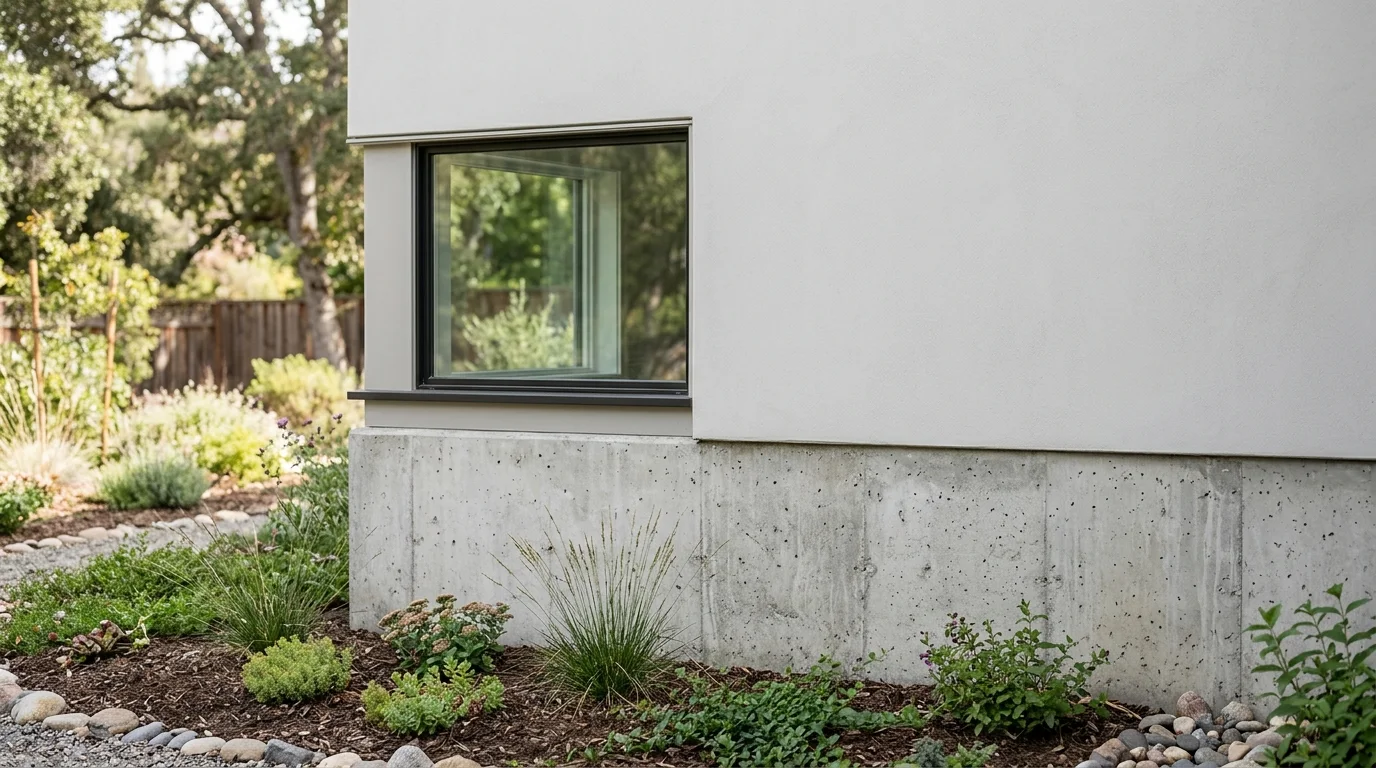
Visible signs that indicate a radon system is failing include cracked foundation sealant, disconnected PVC pipes, and warning devices showing zero pressure. Even with an operational fan, physical degradation allows radon to bypass the system. Regular visual checks are crucial for maintaining system integrity. For proactive maintenance tips, consult our Radon Mitigation System Inspection and Maintenance guide.
Foundation Crack Sealant Integrity
Over time, the sealant used to close cracks can degrade. The EPA emphasizes that sealing foundation cracks is a basic part of effective radon reduction. Watch for: * Sealant pulling away from the concrete * New visible cracks in the basement floor * Gaps around sump pump covers
Pipe and Fitting Condition
Inspect the PVC piping and fittings of your mitigation system for any visible damage. Damage to the vent pipe reduces the system’s ability to draw radon effectively. Key areas to check include: * Visible cracks in the PVC piping * Loose joints where pipes connect * Missing system labels or warning devices
Why are my radon test results high with a mitigation system?
Your radon test results are high with a mitigation system because the system has lost suction power, new foundation cracks have formed, or the fan is failing. The U.S. Environmental Protection Agency recommends fixing your home if radon levels are 4.0 pCi/L or higher, as any radon exposure carries some risk.
Retesting Your Home
The EPA advises retesting your home at least every two years to monitor radon concentrations. You should also retest during specific events: * Every two years as a standard precaution * After major home renovations or structural changes * Following significant ground shifts or earthquakes
When to Call a Professional
If retesting confirms elevated radon levels, it is crucial to consult a professional for Radon System Repair in St. Louis. Addressing these problems promptly helps restore your system’s intended performance. Common issues include: * Fan malfunction * Pipe blockages * Compromised foundation seals
How does a working radon system protect my st louis home?
A working radon system protects your St. Louis home by continuously drawing radon gas from beneath the foundation and safely venting it outdoors. These systems prevent the accumulation of this radioactive gas in your living spaces.
The Sub-Slab Depressurization Process
The continuous vacuum created by the system ensures that soil gases are pulled away from your living spaces before they can enter through foundation cracks. This mechanical process involves: * Creating a vacuum beneath the foundation * Drawing soil gases into the PVC piping * Venting the gases safely above the roofline
Long-Term Health Benefits
This continuous process helps keep indoor radon levels below the EPA action level of 4.0 pCi/L. A well-maintained system provides invaluable peace of mind through several key functions: * Continuous extraction of harmful soil gases * Reduction of indoor moisture levels * Consistent maintenance of safer air quality
Can a radon mitigation system fail silently without any obvious signs?
Yes, a radon mitigation system can fail silently without any obvious signs if minor leaks or partial fan clogs reduce suction without triggering the manometer. Subtle issues can reduce the system’s effectiveness without a complete shutdown, making visual inspections alone insufficient for evaluating performance.
Causes of Silent Failure
These problems can gradually diminish the crucial sub-slab depressurization, allowing radon levels to slowly rise again. Common culprits that go unnoticed include: * Minor air leaks in the PVC piping * A partially clogged fan housing * A weakening fan motor that lacks suction power
Detection Methods
Because these failures do not always trigger an immediate change on the manometer, regular retesting is the most reliable detection method. The EPA recommends retesting every two years to monitor your home’s radon concentration.
How much does it cost to replace a failing radon fan?
Replacing a failing radon fan typically costs between $200 and $350, including both parts and labor. This estimate covers the standard replacement of the fan unit itself and the necessary electrical reconnections. For more details, see our guide on Radon Fan Replacement: When, Why and What It Costs.
Factors Affecting Replacement Costs
This estimate can vary based on several specific details of your installation in the St. Louis metro area: * The specific fan model required for your home’s footprint * The complexity of the electrical connections * Any necessary modifications to the existing PVC piping
Lifespan of a New Fan
The US EPA notes that fans may last five years or more before needing repair or replacement. Investing in a timely fan replacement helps your system continue to effectively lower radon levels.
Can weather affect my radon mitigation system’s manometer reading?
Yes, weather can affect your radon mitigation system’s manometer reading by causing temporary fluctuations during significant barometric pressure changes. The gauge measures pressure differentials, which naturally shift with the weather.
Normal Weather Fluctuations
Minor fluctuations are normal as outdoor pressure shifts. You might notice temporary gauge changes during specific weather events: * Rapid drops in barometric pressure * Heavy rainfall saturating the soil * High winds creating drafts around the exhaust pipe
When to Be Concerned
A persistently low or zero reading indicates a potential system issue rather than just weather influence. This failure can allow radon to reach the EPA action level of 4.0 pCi/L. The EPA suggests monitoring for such changes to ensure consistent system performance.
Don’t let uncertainty about your radon system linger. Schedule a professional inspection with Air Sense Environmental to evaluate your system’s performance. We can help restore your system’s effectiveness, providing peace of mind for your St. Louis home. Schedule your service today.
Prepared with AI assistance using the linked primary sources. For property-specific advice, contact Air Sense Environmental.