
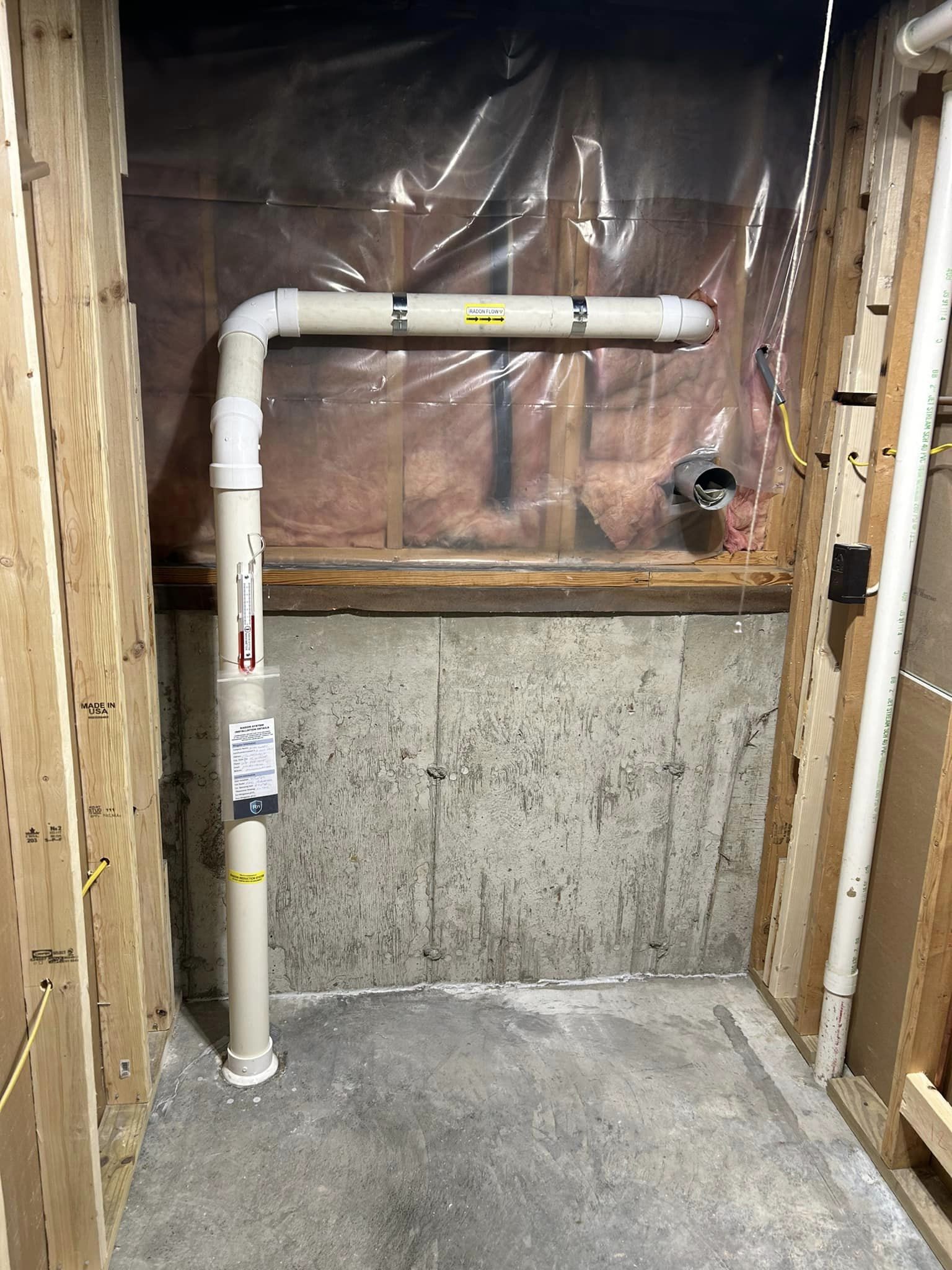
How often should a radon mitigation system be checked?
Check the system indicator regularly and follow the installer's operation and maintenance instructions. EPA recommends retesting a mitigated home at least every two years. Arrange assessment sooner when a fault, a significant change or a concerning test result gives you a reason to investigate.
A scheduled check is easier to interpret when you have a baseline. Keep a dated photograph of the normal gauge reading and store the operating instructions with the last test. The right professional visit frequency depends on the installation and any project-specific requirements.
- Review the system instructions after moving in.
- Record a changed sound or indicator promptly.
- Revisit the system after work near its components.
- Keep test dates on the household maintenance calendar.
How do I know my radon mitigation system is working?
You need to distinguish equipment operation from indoor radon performance. A fan sound, pressure indicator or status light can help show whether the installation is operating as expected. A radon measurement establishes the concentration at the tested location.
If a recent result is elevated, share the complete report even when the system appears normal. If the gauge changed but no new test exists, report that too. Giving both pieces of information helps the professional choose an assessment instead of assuming every problem needs the same repair.
- Equipment observation: what changed and when.
- Measurement evidence: dates, location and result.
- Building context: recent additions, renovations or access changes.
What does a radon system inspection include?
The inspection scope should identify which accessible components and operating conditions will be reviewed. Ask Air Sense to confirm the scope for your installation before booking. It may need to address the fan, visible piping, supports, seals, indicator and the available system records.
Identify anything hidden behind finishes or difficult to access. An assessment of visible equipment should not be described as proof of the condition of every concealed component. Ask how findings, recommended repairs and any limitations will be recorded.
For a purchase or property-management file, state the reporting purpose in advance. A general service visit may not supply a particular lender or third party's requested inspection form unless that deliverable is agreed.
- List the requested deliverable when scheduling.
- Provide the installation and service records you have.
- Ask whether indoor radon testing is included.
- Confirm how any repair proposal will be separated from the assessment.
Do radon systems need maintenance?
Yes. Radon systems need attention to operating indicators, occasional component service and follow-up measurement. The fan, seals, piping and any membrane should remain in the condition intended for the installation. Work around the system can create a reason for review even when no part has reached a particular age.
Give contractors doing unrelated work a way to identify the radon components. Avoid using piping as a support or allowing a sealed access cover to be left open after service. If work changes the system, tell the radon professional what happened and keep the revised records.
Call Air Sense at 314-664-9807 with the address, reason for assessment and any recent report. The next step can then be scoped to a real concern instead of a generic checklist.
- Keep equipment labels readable.
- Save replaced component information.
- Record the baseline after authorized changes.
- Arrange the recommended post-work measurement.
Questions before you book
Is a system inspection the same as a radon test?
No. Inspection assesses equipment and installation conditions. Testing measures indoor radon concentration during the stated period.
What if I cannot find the original installer?
Air Sense states that it services systems installed by other companies. Share the records and photos you have so the assessment can be scoped.