
Signs Your Radon Mitigation System Is Failing (Even If the Fan Is Running)
By Jake Lusby · Air Sense Environmental
A stopped fan, changed warning indicator, new noise or visible damage can signal that a radon system needs attention. None of those observations alone gives the indoor radon concentration. Record the symptoms, contact a qualified service provider and use an appropriate radon measurement to evaluate the level rather than relying on fan sound or a manometer alone.
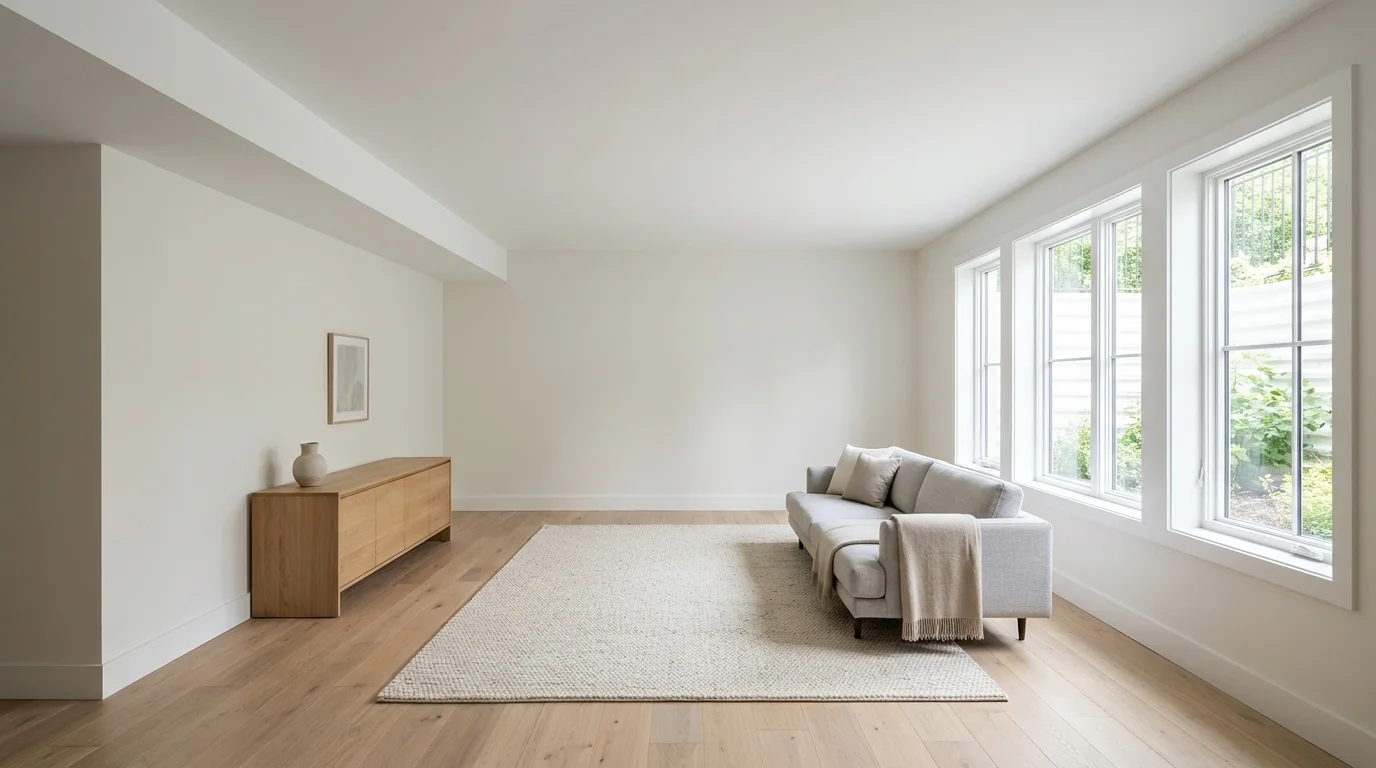
Turn warning signs into a useful service request
Keep a short record of changes and avoid assigning a cause before inspection. The service provider can use the model, symptoms and previous records to prepare for the visit. After work, clarify which checks are part of commissioning and who arranges the radon measurement.
- Photograph accessible labels, warning indicators and visible damage without opening electrical equipment.
- List when the change began and whether there was recent maintenance, renovation or a power interruption.
- Ask for the diagnosis, repair scope and follow-up measurement responsibilities in writing.
For the wider decision, read Who Repairs and Replaces Radon Fans in St. Louis?.
How do I know if my radon mitigation system is working properly?
Use the warning-device checks explained by your installer and radon measurements together. A manometer indicates pressure, not radon concentration; a reading alone cannot establish system performance. EPA recommends action at the EPA action level of 4.0 pCi/L, and lower concentrations still carry risk. See How to Read a Radon Manometer for an explanation of the gauge, and compare it with the baseline and instructions supplied for your system.
Manometer Reading Lower Than Usual
A lower-than-usual manometer reading is a reason to compare the reading with the installer’s baseline and operating instructions. It does not by itself diagnose a leak, blockage or worn fan. Report an operating warning or unexplained change to a qualified contractor rather than replacing equipment based only on the gauge.
Fluctuating Manometer Readings
Unexplained fluctuations warrant checking the system instructions and asking a qualified contractor to assess the change. The reading alone cannot identify a fan defect, obstruction or soil-condition change, and it does not measure the radon concentration in the home.
Why is my radon fan making unusual noises?
An unusual fan noise needs assessment; sound alone does not establish bearing wear or an obstruction. The US EPA says fans may last five years or more before needing repair or replacement, but age is not a diagnosis for an individual fan. See Why Your Radon Fan Is Loud and How to Quiet It and discuss new or changing noise with a qualified contractor.
Grinding or Rattling Sounds
Report grinding or rattling to a qualified contractor. Do not diagnose worn bearings, debris or ice from the sound alone, and do not open the fan housing or reach inside to investigate a running fan. The actual equipment and installation need assessment.
Changes in Humming or Whining
A change in humming or whining is an observation to report, not proof of an imbalanced impeller, failing motor or electrical defect. Note when the sound changed and have the installer assess it rather than assuming the cause or a particular radon result.
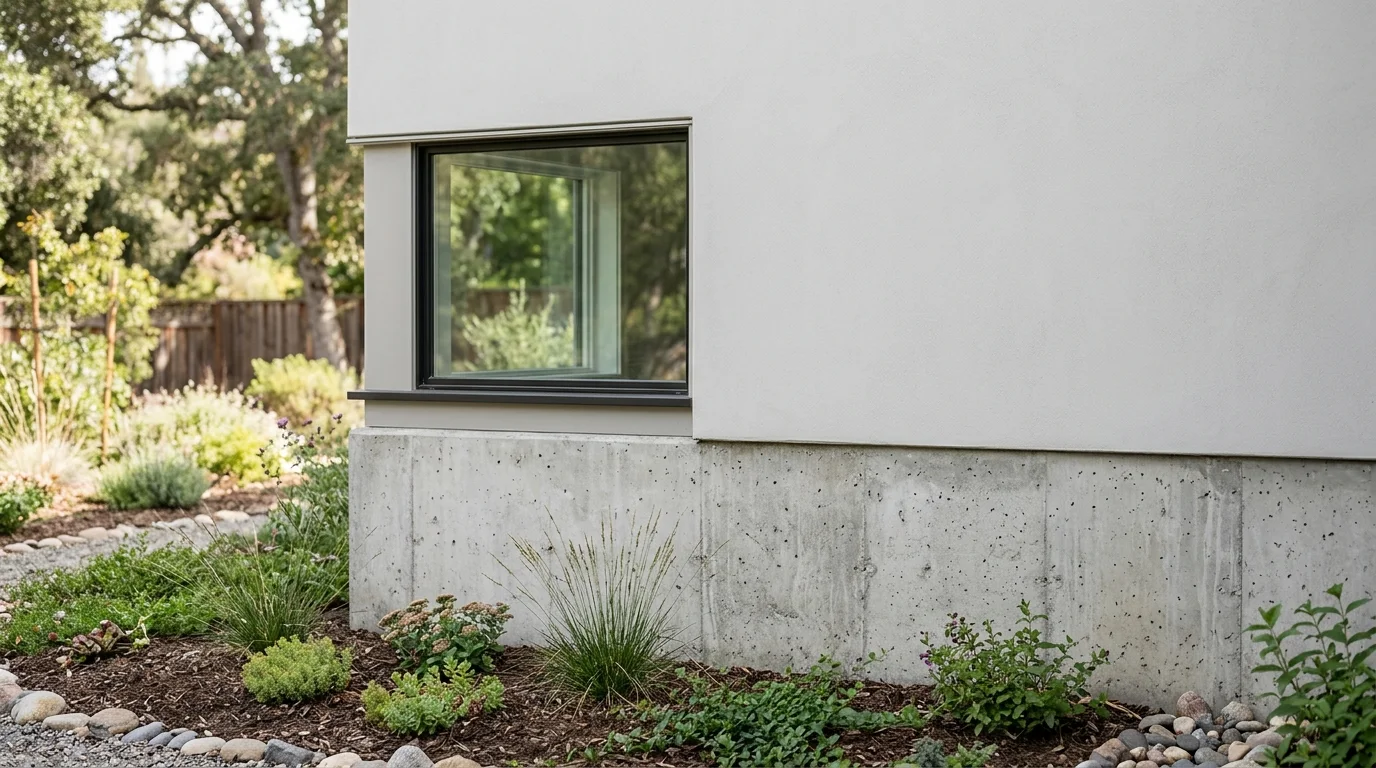
What visible signs indicate a radon system is failing?
Disconnected pipes, damaged components or an operating warning are reasons to seek assessment. They do not, by themselves, quantify indoor radon or establish every cause of a performance problem. Follow the written operating instructions and consult our Radon Mitigation System Inspection and Maintenance guide; a visual check does not replace radon testing.
Foundation Crack Sealant Integrity
Over time, the sealant used to close cracks can degrade. The EPA emphasizes that sealing foundation cracks is a basic part of effective radon reduction. Watch for: * Sealant pulling away from the concrete * New visible cracks in the basement floor * Gaps around sump pump covers
Pipe and Fitting Condition
Report visible pipe cracks, loose joints, missing labels or missing warning devices to the installer. Ask what repair or replacement is appropriate before modifying the system. Appearance alone does not establish the indoor radon concentration or the extent of any performance change.
Why are my radon test results high with a mitigation system?
A high radon result does not identify its cause. Review the test conditions and result, then have the system and property assessed for appropriate follow-up. EPA recommends fixing homes with confirmed results of 4.0 pCi/L or higher; lower concentrations still carry risk. Do not infer fan failure, lost suction or a new crack solely from the test result.
Retesting Your Home
For a home with a mitigation system, the EPA recommends retesting at least every two years. That interval does not replace responding to an operating warning or investigating a new problem.
The CDC recommends testing before and after renovations and before a change that increases time spent on a lower level. This article does not establish a separate universal earthquake or ground-shift testing rule.
When to Call a Professional
If follow-up testing confirms elevated radon, discuss the result and the existing system with a qualified contractor. Our Radon System Repair in St. Louis page explains the service. Ask for an assessment rather than assuming the problem must be a fan, pipe blockage or foundation seal.
How does a working radon system protect my st louis home?
An active soil-suction system draws soil gas from beneath the home and discharges it outdoors to reduce radon entry. It is a reduction method, not a guarantee that no radon enters the building. Radon testing is needed to assess the indoor concentration.
The Sub-Slab Depressurization Process
An active soil-suction system uses a fan and piping to draw soil gas from beneath the foundation and discharge it outdoors. Have the contractor explain the design and operating instructions for your home. The presence of suction does not establish a radon concentration or guarantee complete prevention of entry.
Long-Term Health Benefits
Reducing radon exposure lowers risk; it does not eliminate it. The EPA action level of 4.0 pCi/L is a recommendation for action, not a boundary between risk and no risk. Keep the active fan operating, follow maintenance instructions and use radon measurements to assess results. This article does not promise a humidity reduction or continuous certification of air quality.
Can a radon mitigation system fail silently without any obvious signs?
A running fan and an apparently normal gauge cannot establish the indoor radon concentration. A system can need attention without an obvious visible defect, so follow operating instructions and use radon measurements rather than relying only on appearance or sound.
Assessing Problems Without Obvious Signs
Ask a qualified contractor to assess the actual system when measurements or operating warnings raise concerns. Do not presume a hidden leak, partial blockage or weakened motor without investigation. This article does not diagnose an individual installation.
Detection Methods
For mitigated homes, the EPA recommends retesting every two years. A radon test measures concentration; it does not diagnose a specific mechanical defect. Do not wait for the routine interval before responding to an operating warning or arranging appropriate follow-up after relevant changes.
How much does it cost to replace a failing radon fan?
Ask for a written fan-replacement estimate based on the actual equipment and work required. Confirm the fan, labor, electrical work, pipe changes and any follow-up testing that are included or excluded. A general published estimate is not an Air Sense Environmental quote or a guarantee of those inclusions. See Radon Fan Replacement: When, Why and What It Costs for related questions to discuss.
Factors Affecting Replacement Costs
The replacement scope depends on the selected fan and the existing installation. Ask the contractor to identify any electrical or piping work and itemize the relevant charges. Do not assume every replacement needs the same modifications or that every associated task is included in a single price.
Lifespan of a New Fan
The US EPA notes that fans may last five years or more before needing repair or replacement. Investing in a timely fan replacement helps your system continue to effectively lower radon levels.
Can weather affect my radon mitigation system’s manometer reading?
Do not attribute a changed manometer reading to weather without assessment. The gauge measures pressure difference, not indoor radon. Compare it with the operating baseline and instructions for your system and ask the installer about an unexplained change.
Recording Changes for Assessment
Record the reading and when it changed, along with relevant observations about weather or recent work. These details can help the contractor investigate, but they do not establish that a change is normal or prove a particular cause. This article supplies no universal acceptable range for every installation.
When to Be Concerned
Follow the installer’s instructions for a warning or an unexplained low or zero reading, and arrange assessment rather than dismissing it as weather. A pressure reading does not show whether radon has reached the EPA action level of 4.0 pCi/L. Use radon testing to measure concentration; lower concentrations still carry risk.
Discuss new operating warnings, damage, unusual noise or radon test results with Air Sense Environmental. Ask about an inspection and the appropriate testing or repair scope for your St. Louis home. Schedule your service today.
Prepared with AI assistance using the linked primary sources. For property-specific advice, contact Air Sense Environmental.